
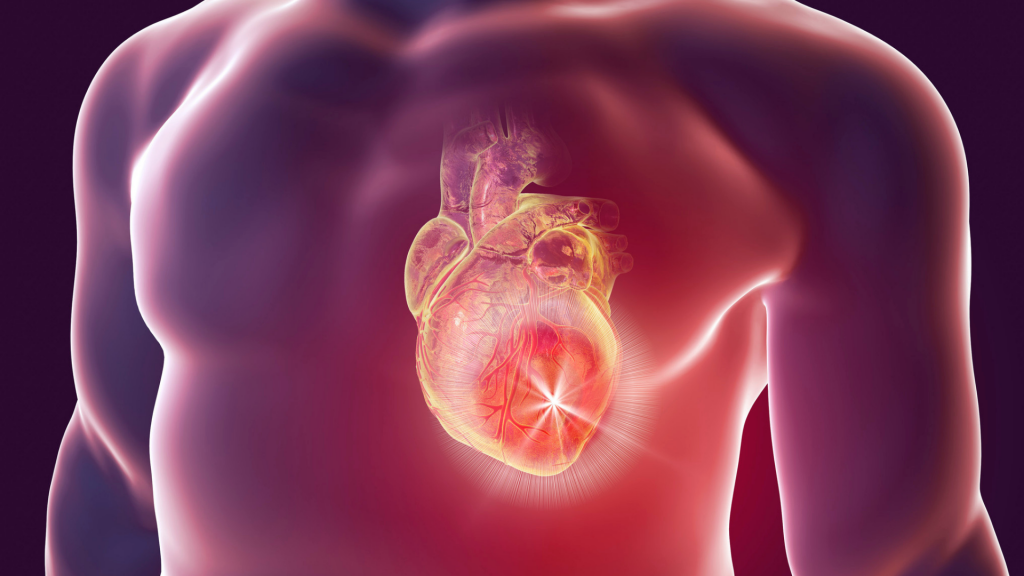
Erectile dysfunction isn’t always just about sexual performance. Sometimes, it could be an early warning sign of cardiovascular disease.
For many men, experiencing difficulty achieving or maintaining an erection can be frustrating, embarrassing, or even distressing.
The immediate concern is often sexual performance. Is it stress? Ageing? Low testosterone? Or perhaps simply being tired?
But what if your body is trying to tell you something more important?
Medical research increasingly recognises erectile dysfunction (ED) as a potential early warning sign of cardiovascular disease. PMC4442980
In some men, changes in erectile function may appear years before more obvious symptoms of heart disease develop.
Understanding this connection could make a significant difference to your long-term health.
1. The Surprising Connection Between Erections and Heart Health
An erection depends on several systems working together, including the brain, nerves, hormones and blood vessels.
When a man becomes sexually aroused, blood vessels supplying the penis relax and allow increased blood flow into erectile tissue.
Healthy blood circulation is therefore essential for normal erectile function.
However, the same conditions that damage blood vessels throughout the body can also affect those supplying the penis.
These include:
- High blood pressure (hypertension)
- High cholesterol
- Diabetes and insulin resistance
- Obesity
- Smoking
- Atherosclerosis (narrowing of the arteries)
One important explanation is known as the artery size hypothesis.
The arteries supplying the penis are considerably smaller than the major coronary arteries supplying the heart.
Consequently, vascular dysfunction may become noticeable through erectile difficulties before symptoms such as chest discomfort or reduced exercise tolerance appear.
This does not mean every man with ED has heart disease. Rather, ED can sometimes provide an early opportunity to identify cardiovascular risk factors.
A review published in Nature Reviews Urology in August 2026 reinforces the importance of recognising ED as a potential marker of underlying cardiovascular disease.
Further reading: Erectile Dysfunction and Cardiovascular Health — Nature Reviews Urology (2026)
2. Could Erectile Dysfunction Appear Before Heart Disease?
Research suggests that erectile dysfunction can precede the clinical presentation of coronary artery disease by approximately two to five years in some men.
This potential warning period is important.
A man may feel generally healthy, remain physically active and experience no obvious cardiac symptoms, yet begin noticing changes in his erections.
These changes might include:
- Difficulty achieving an erection despite sexual desire.
- Erections becoming less firm than previously.
- Difficulty maintaining an erection during intercourse.
- A gradual reduction in spontaneous or morning erections.
Although these symptoms can have several causes, persistent changes should not automatically be dismissed as normal ageing.
The European Society of Cardiology recognises erectile dysfunction as an important consideration in cardiovascular risk assessment.
Further reading: 2021 ESC Guidelines on Cardiovascular Disease Prevention
The important message: Erectile dysfunction may be more than a sexual health concern. It can be an opportunity to investigate your overall health.
3. Not All Erectile Dysfunction Is Caused by Poor Circulation
While cardiovascular health is an important consideration, erectile dysfunction can develop for many different reasons.
Hormonal Factors
Low testosterone may contribute to reduced sexual desire and, in some cases, erectile difficulties.
However, testosterone deficiency should be confirmed through appropriate medical evaluation and blood testing rather than symptoms alone.
Psychological Factors
Stress, anxiety, depression and relationship difficulties can interfere with sexual arousal and erectile performance.
Performance anxiety can also create a cycle in which one unsuccessful sexual experience increases anxiety during subsequent encounters.
Medication-Related Factors
Certain medications, including some treatments for high blood pressure and depression, may contribute to erectile difficulties.
Patients should never discontinue prescribed medication without consulting their doctor.
Lifestyle and Metabolic Factors
Poor sleep, excessive alcohol consumption, smoking, obesity and insufficient physical activity may also contribute to erectile dysfunction.
Often, more than one factor is involved.
This is why identifying the underlying cause is more valuable than simply treating the immediate symptom.
For more information, explore Catalyst Clinic’s Erectile Dysfunction Services.
4. Why Men Over 40 Should Pay Attention
Erectile dysfunction becomes more common with increasing age.
However, ageing itself should not be used as an explanation without considering other possible medical causes.
For men in their 40s, 50s and 60s, erectile changes may coincide with increasing cardiovascular and metabolic risk.
A man who develops ED alongside high cholesterol, elevated blood pressure, diabetes or abdominal obesity may benefit from a broader health assessment.
Importantly, younger men are not exempt.
Erectile dysfunction in men under 40 can also warrant medical evaluation, particularly when symptoms persist or cardiovascular risk factors are present.
The American Urological Association recommends informing men that ED can be a risk marker for cardiovascular disease and other health conditions.
Medical reference: American Urological Association — Erectile Dysfunction Guideline
5. What Should You Check If You Experience Erectile Dysfunction?
A proper assessment begins with understanding the individual rather than immediately recommending medication or a procedure.
Depending on symptoms, medical history and risk factors, a doctor may recommend several investigations.
Blood Pressure Assessment
High blood pressure can damage blood vessels and affect erectile function.
Blood Glucose and HbA1c
Diabetes can affect both blood vessels and nerves involved in achieving an erection.
Cholesterol and Lipid Profile
Elevated LDL cholesterol and other lipid abnormalities can contribute to atherosclerosis and cardiovascular disease.
Testosterone Assessment
Morning testosterone testing may be appropriate to investigate possible hormonal contributions.
Cardiovascular Risk Evaluation
A doctor may assess smoking history, family history, weight, physical activity, blood pressure and laboratory results to estimate cardiovascular risk.
Further cardiac investigations or referral may be appropriate depending on the findings.
Penile Doppler Ultrasound
In selected cases, penile Doppler ultrasound can help evaluate blood flow and vascular factors contributing to erectile dysfunction.
However, it is not necessary for every patient.
Malaysia’s Ministry of Health provides clinical guidance on the assessment and management of erectile dysfunction, including cardiovascular risk evaluation.