
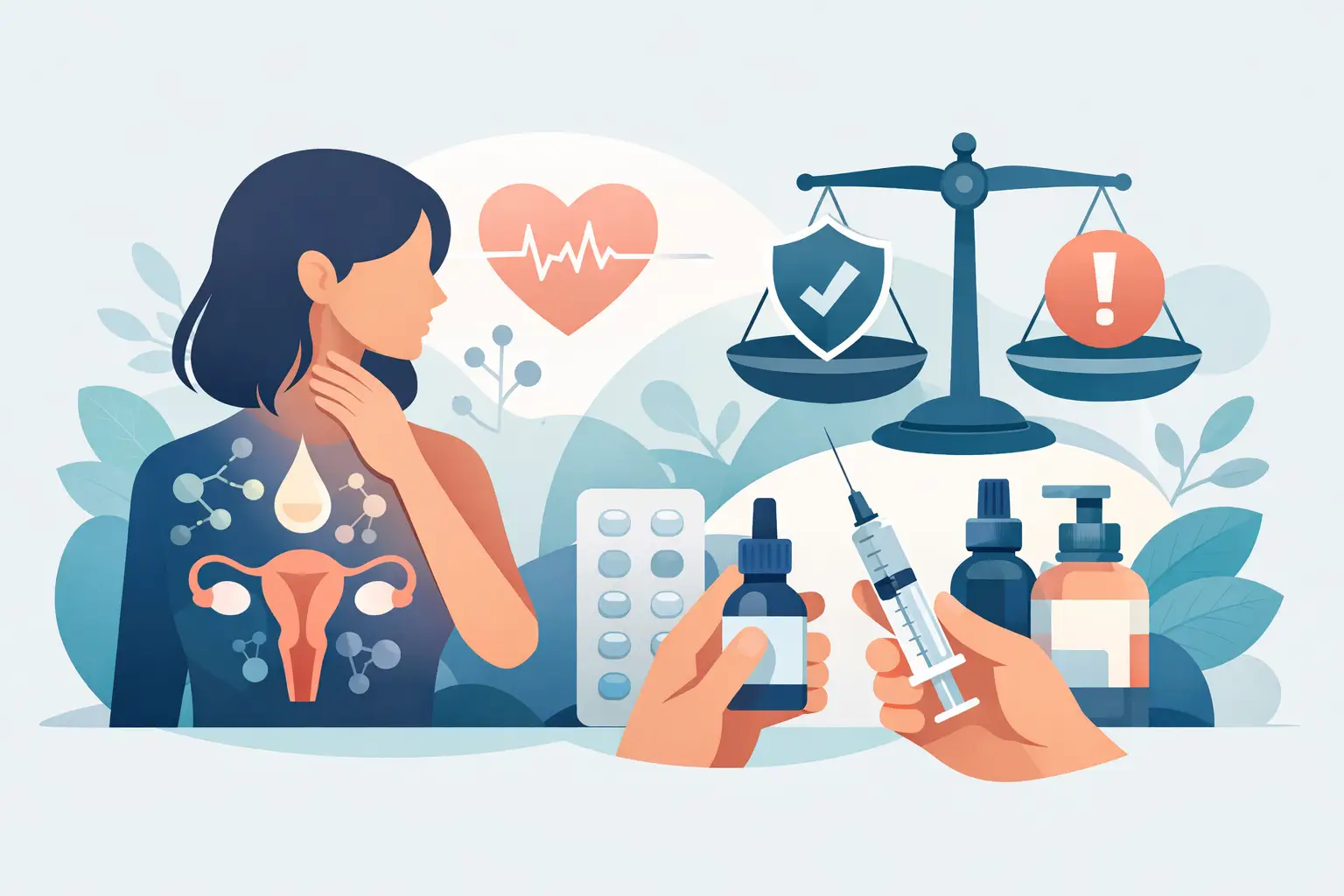
A lot of men ask the same question only after months of feeling off – lower energy, reduced sex drive, poorer recovery, more irritability, and a sense that their body is not responding the way it used to. Is hormone replacement therapy safe? The short answer is yes, for the right patient under proper medical supervision. The longer and more useful answer is that safety depends on accurate diagnosis, careful dosing, regular monitoring, and whether treatment is truly appropriate in the first place.
Hormone therapy should never be treated like a shortcut for aging, stress, poor sleep, or burnout. When used casually or without proper testing, it can create problems. When it is prescribed thoughtfully for a confirmed hormonal deficiency, it can be both safe and life-changing.
Is hormone replacement therapy safe for men with low testosterone?
For men, hormone replacement therapy usually refers to testosterone replacement therapy, often called TRT. It is most commonly considered when blood tests and symptoms point to clinically low testosterone.
Safety starts with one basic principle: treat the patient, not just the lab number. Testosterone levels naturally fluctuate. A single low reading is not always enough to justify treatment. A physician should look at symptoms, repeat lab testing when needed, review medical history, and rule out other causes such as obesity, sleep apnea, thyroid disease, medication side effects, depression, or chronic stress.
When that workup is done properly, testosterone therapy is generally safe for many men. It can improve sexual desire, erectile function in some cases, energy, mood, muscle mass, bone health, and overall sense of vitality. But safe does not mean risk-free, and it does not mean every man is a good candidate.
What makes hormone replacement therapy safe or unsafe?
The biggest difference between safe treatment and risky treatment is medical oversight. Men run into trouble when they self-diagnose, buy hormones online, use unregulated products, or start therapy without a full evaluation.
A safe treatment plan usually includes confirming hormone deficiency with appropriate blood tests, checking baseline blood count, liver and kidney markers when relevant, prostate-related assessment based on age and risk, and reviewing cardiovascular health, fertility goals, and sleep quality. Follow-up matters just as much as the first visit. Hormone levels can overshoot. Red blood cell counts can rise. Estrogen balance can shift. Symptoms can improve, stay the same, or reveal another underlying issue.
In other words, the question is not only is hormone replacement therapy safe. The better question is: safe for whom, at what dose, under what supervision, and with what follow-up?
The role of dosing and monitoring
More testosterone is not better. Supraphysiologic dosing – meaning levels pushed above the normal range – raises the chance of side effects without improving long-term safety. Men sometimes assume that if a little helps, more will restore peak performance. Medicine does not work that way.
The goal is balance. A physician-led plan aims to restore hormone levels to an appropriate range, relieve symptoms, and monitor for complications. This often means periodic blood tests to track testosterone levels, hematocrit, and other markers based on your health profile.
Why buying hormones online is risky
A growing number of men are exposed to aggressive marketing around “low T” treatments, boosters, and subscription-based hormone programs. The problem is not that all remote care is unsafe. Telemedicine can be appropriate when handled responsibly. The issue is when treatment becomes transactional rather than clinical.
If your provider does not take a full history, confirm the diagnosis properly, discuss risks, and arrange ongoing monitoring, safety drops fast. Hormones affect multiple systems in the body. They should not be treated like a wellness accessory.
Common risks and side effects to understand
Testosterone therapy is generally well tolerated, but there are real side effects and trade-offs. The most common concerns include acne or oily skin, fluid retention, breast tenderness in some men, worsening of untreated sleep apnea, and an increase in red blood cell count. If hematocrit rises too high, blood can become more viscous, which may increase cardiovascular concern in some patients.
Fertility is another major issue that many men do not realize until too late. Testosterone therapy can reduce sperm production and, in some men, cause infertility during treatment. That effect may be temporary, but not always on a timeline that fits family plans. If a man still wants children, this must be discussed before treatment starts.
Prostate health also needs proper attention. Current evidence does not support the old, simplistic belief that testosterone therapy directly causes prostate cancer. Still, testosterone can affect prostate-related symptoms and should be prescribed carefully in men with prostate concerns, elevated PSA, or a history that requires specialist input.
Cardiovascular risk is often the biggest fear. The evidence here is more nuanced than headlines suggest. For men with confirmed low testosterone, medically supervised treatment does not appear to carry the same risk profile as unsupervised use or anabolic steroid abuse. But men with poorly controlled heart disease, severe untreated sleep apnea, or certain high-risk conditions need a careful individualized decision.
Who should be more cautious?
Some men need a more detailed evaluation before starting therapy. That includes men with a history of blood clotting issues, uncontrolled heart failure, recent cardiovascular events, untreated severe sleep apnea, significant urinary symptoms, or active plans for fertility. Men with obesity, diabetes, and metabolic syndrome may still benefit from testosterone treatment, but they also need a broader health plan, not hormones alone.
This is where many treatment conversations go wrong. Low energy and reduced libido can be hormonal, but they can also be tied to weight gain, poor sleep, insulin resistance, alcohol use, anxiety, relationship stress, or medication effects. A good physician will not force every symptom into a testosterone diagnosis.
When hormone therapy may help most
Men with persistent symptoms and confirmed low testosterone often notice meaningful improvement when treatment is appropriate. Common benefits include better sexual desire, improved morning erections, better mood stability, improved exercise recovery, increased lean muscle mass, and less mental fatigue.
That said, results are not identical for every patient. Some men feel better within weeks. Others improve gradually over a few months. If symptoms are being driven mostly by chronic stress, poor sleep, or depression, testosterone alone may not solve the problem. Safe and effective care means being honest about those limits.
How to know if a clinic is taking safety seriously
A responsible clinic will ask detailed questions before discussing treatment options. You should expect a review of symptoms, medical history, medications, family history, sleep, sexual health, and reproductive goals. You should also expect proper lab testing rather than a sales pitch.
During treatment, safety-focused care includes follow-up visits, repeat blood work, dose adjustments when needed, and clear discussion of warning signs. If a clinic promises guaranteed results, minimizes side effects, or recommends treatment before confirming the diagnosis, that is a reason to pause.
At Catalyst Clinic, this is exactly why hormone care is handled as a medical service rather than a one-size-fits-all package. Men want to feel better, but they also want privacy, clarity, and confidence that treatment is being managed properly.
Is hormone replacement therapy safe long term?
Long-term safety depends on continued monitoring and whether the original diagnosis was correct. Many men stay on testosterone therapy for extended periods without major problems when care is individualized and regularly reviewed. But long-term treatment is still a commitment. It means follow-up appointments, repeat testing, and honest discussion about symptom changes, side effects, and whether the benefits still outweigh the risks.
That ongoing relationship matters. Hormone therapy should not be started casually, and it should not continue on autopilot.
If you are asking whether hormone replacement therapy is safe, the most useful next step is not guessing from symptoms or relying on online advice. It is getting evaluated properly. The right treatment can restore energy, confidence, and sexual wellness, but the safest path starts with a real diagnosis and a physician who treats your health as more than a number on a lab report.