
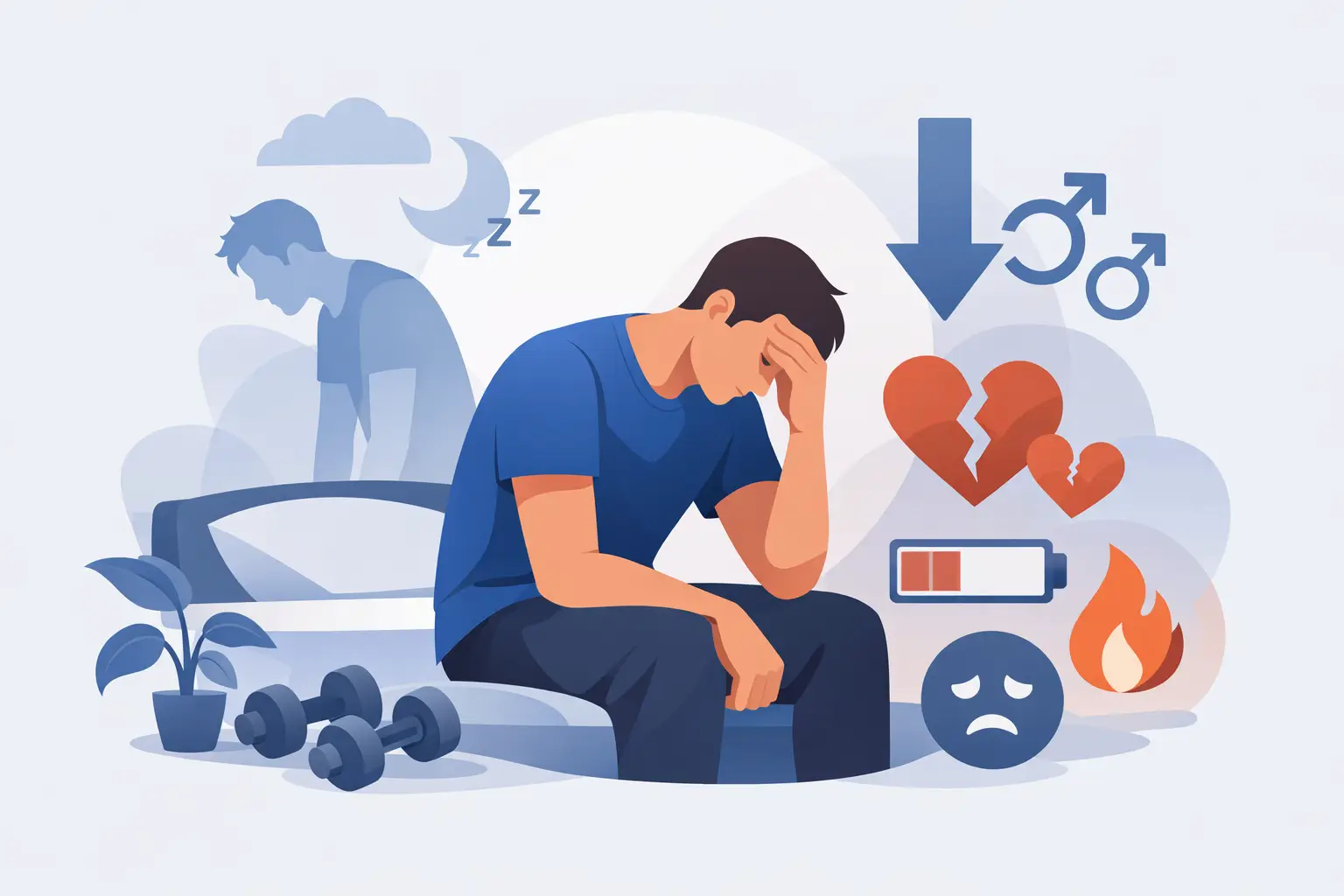
Feeling more tired than usual is easy to blame on work, poor sleep, stress, or getting older. But low testosterone symptoms in men can show up quietly and build over time, affecting energy, mood, sexual health, body composition, and mental sharpness. Many men wait too long because the changes seem subtle at first, or because they assume they simply have to live with them.
What low testosterone symptoms in men can look like
Testosterone supports far more than sex drive. It plays a role in muscle mass, bone health, red blood cell production, mood regulation, and overall vitality. When levels drop below a healthy range, the effects can be physical, sexual, and emotional.
One of the most common signs is persistent fatigue. This is not just feeling tired after a long week. Men with low testosterone often describe a deeper drop in stamina, motivation, and daily drive. Tasks that used to feel manageable may start to feel unusually draining.
Sexual symptoms are also common. Lower libido, fewer spontaneous morning erections, and changes in erectile quality can all be part of the picture. Not every case of erectile dysfunction is caused by low testosterone, and not every man with low testosterone has severe sexual symptoms. Still, a noticeable shift in desire or performance deserves proper evaluation.
Mood changes can be just as significant. Some men feel more irritable, flat, or less resilient under pressure. Others notice lower confidence, reduced focus, or a general sense that they do not feel like themselves. These symptoms are sometimes mistaken for stress alone, which is one reason low testosterone can be missed.
Physical changes may happen gradually. You may find it harder to maintain muscle despite exercise, or easier to gain body fat, especially around the abdomen. Recovery after workouts may feel slower. Some men also notice reduced body hair growth or a general decline in physical strength.
Common signs that should not be ignored
A single symptom does not prove low testosterone. The concern rises when several changes happen together or persist over time. Men often seek help when they notice lower sex drive combined with fatigue, poorer exercise performance, and mood changes.
Other symptoms can include reduced mental clarity, trouble concentrating, and sleep disturbances. In some cases, men experience decreased bone density over time, which is harder to notice without medical testing. Fertility can also be affected, depending on the cause of the hormonal imbalance.
This is where nuance matters. Symptoms of low testosterone can overlap with depression, thyroid disorders, sleep apnea, diabetes, chronic stress, medication side effects, and cardiovascular issues. Self-diagnosing based on internet checklists is rarely reliable. A proper medical assessment is the best way to understand what is really happening.
Why testosterone levels may fall
Testosterone naturally declines with age, but age alone does not explain every case. Some men in their 30s or 40s develop symptoms that are significant enough to affect work, relationships, and quality of life. Others maintain healthy levels much later in life.
Weight gain, especially excess abdominal fat, can contribute to lower testosterone. Poor sleep is another major factor, particularly in men with sleep apnea. Chronic medical conditions such as diabetes, metabolic syndrome, liver disease, and pituitary disorders may also play a role.
Certain medications can suppress testosterone production or interfere with hormone balance. Long-term opioid use, anabolic steroid misuse, and some treatments for other medical conditions may be involved. High stress and heavy alcohol use can worsen symptoms too, though they are often part of a bigger picture rather than the only cause.
Because there are several possible causes, treatment should never begin with assumptions. The right plan depends on what is driving the low levels, whether fertility matters, and whether symptoms clearly match the lab findings.
When low testosterone symptoms in men warrant testing
If symptoms have lasted for weeks or months, and especially if they are affecting sexual health, mood, work performance, or physical function, it is reasonable to get evaluated. Testing is also worth considering if you have risk factors such as obesity, diabetes, chronic poor sleep, or a history of hormone-related issues.
A proper assessment usually starts with a medical consultation and blood testing. Testosterone levels can vary throughout the day, so timing matters. Morning testing is often preferred. In some cases, repeat testing is needed to confirm the result rather than relying on a single number.
Doctors may also check related markers such as free testosterone, luteinizing hormone, follicle-stimulating hormone, prolactin, thyroid function, blood sugar, and cholesterol. This helps identify whether the issue starts in the testes, the pituitary gland, or from broader health factors.
Just as important, numbers should be interpreted alongside symptoms. A borderline result in a man with clear symptoms may deserve a different discussion than the same result in a man who feels well.
Why treating the cause matters more than chasing a number
Men often focus on the lab result itself, but treatment decisions should be based on the whole clinical picture. A low number without symptoms does not always mean treatment is necessary. On the other hand, significant symptoms with repeatedly low levels may justify targeted care.
Sometimes the best first step is not testosterone therapy. Weight loss, better sleep, treatment for sleep apnea, improved diabetes control, medication review, or reducing alcohol intake may help restore hormone balance naturally. These changes can also improve sexual function, energy, and cardiovascular health at the same time.
If testosterone replacement therapy is appropriate, it should be physician-guided and monitored. This is not a casual wellness add-on. Done correctly, it may improve libido, energy, mood, muscle maintenance, and overall wellbeing. Done poorly, it can lead to side effects, missed diagnoses, or complications.
There are trade-offs to discuss. Testosterone therapy can affect fertility, so men who want children need careful planning before treatment starts. Monitoring is also essential to track blood counts, prostate-related concerns, symptom response, and hormone levels over time. Good care is personalized, not one-size-fits-all.
What men can expect from a clinical evaluation
For many patients, the hardest part is starting the conversation. Hormonal symptoms can feel personal, frustrating, and at times embarrassing. A professional men’s health clinic should make that process straightforward, private, and medically grounded.
A thorough visit usually includes a detailed review of symptoms, medical history, sleep patterns, sexual health, exercise habits, medications, and long-term health risks. That broader view matters because low testosterone may be part of a larger health issue, not an isolated problem.
At Catalyst Clinic, men are assessed with discretion and evidence-based care, with attention to both symptom relief and long-term health. That means looking beyond a single complaint and building a treatment plan that fits the patient’s goals, health status, and lifestyle.
Signs it is time to stop waiting
If you have noticed less desire, lower energy, declining workout performance, changes in erections, increasing body fat, or a persistent drop in mood and motivation, it is worth getting checked. You do not need to wait until symptoms become severe.
Early evaluation can help rule out more serious causes, clarify whether testosterone is truly involved, and prevent months or years of frustration. It can also identify issues like diabetes, thyroid disease, or sleep apnea that might otherwise go untreated.
The bigger point is simple. Feeling off for a long time is not something you should ignore just because you are busy or assume it is normal aging. Men often perform through symptoms for years, but that does not mean those symptoms are harmless.
A quiet drop in energy, drive, and confidence may have a medical explanation, and the right care can make a meaningful difference. If something has changed and it is affecting how you feel, function, or show up in daily life, getting clear answers is a strong first step.